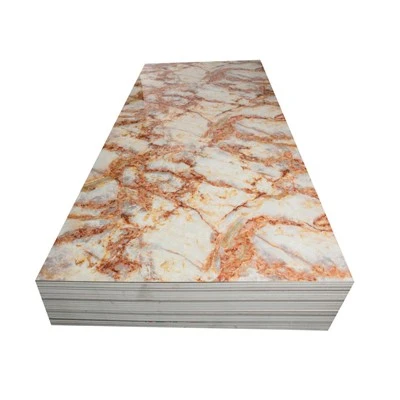
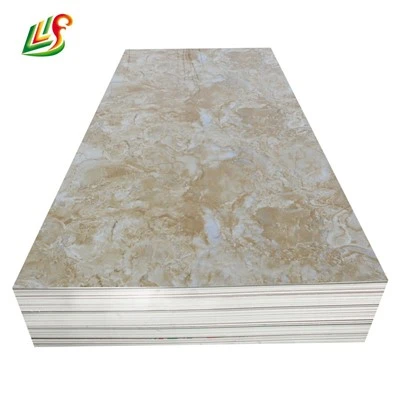
1. When selecting sintered stone slabs, pay close attention to the slab's body (or core). During production, the pattern is printed onto each layer of the material, ensuring consistent veining throughout the entire thickness-meaning the surface and the interior match perfectly. If the color of the surface differs from that of the body, or if the pattern exists only on the top layer, it is likely a counterfeit product. You can also shine a high-intensity light (such as a jade-testing flashlight) from behind the slab; with genuine sintered stone, the light will be visible from the front.
2. Carefully examine the product's appearance. High-quality sintered stone features clear, natural colors and patterns, avoiding the cheap, artificial look often associated with resin-based materials. The surface should be free of pinholes and feel smooth and refined to the touch, without any roughness or grittiness. You can also test the material by tapping two small samples together; a genuine slab produces a crisp, clear sound and does not shatter upon impact.
3. Sintered stone offers advantages such as fire resistance and high hardness. When evaluating a product, you can use a lighter to apply flame to the surface; the material will not burn or crack. Additionally, scratching the surface with a ceramic knife should leave no marks. Price is another important factor; it is advisable to visit multiple stores to find a product that offers good value for money. Be wary if a product is priced significantly below the market average, as this may indicate a counterfeit or inferior-quality item.