What are PVC Wall Panels?
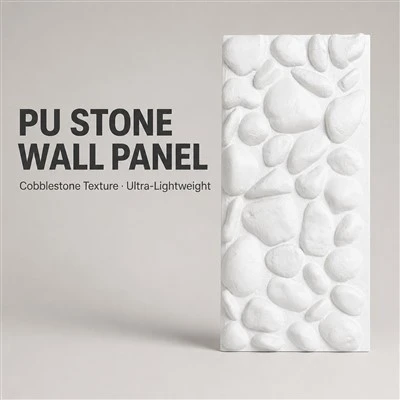
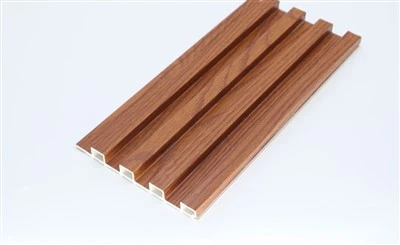
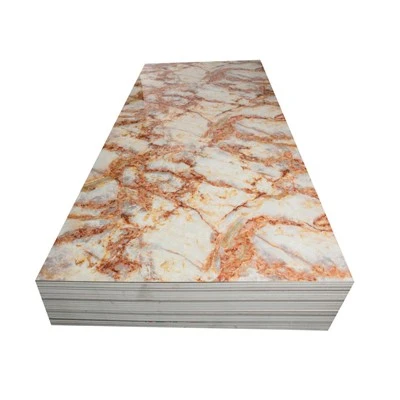
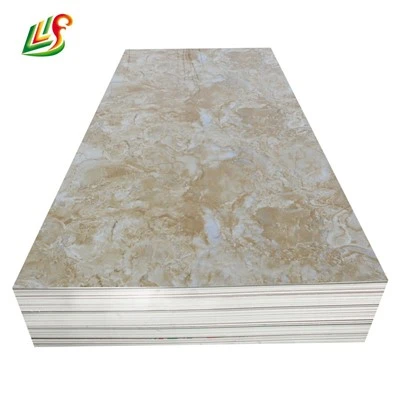
PVC wall panels are decorative panels made primarily of polyvinyl chloride (PVC), formed through an extrusion process to create a hollow structure. Their core component is PVC resin powder, with the addition of stabilizers, lubricants, and other additives, resulting in lightweight (density approximately 1.4 g/cm³) and waterproof/moisture-proof properties. The surface is usually covered with a decorative film, which can mimic different visual effects such as wood grain and stone texture.
Characteristics of PVC Wall Panels
Physical Properties: High impact resistance, coefficient of thermal expansion approximately 7×10⁻⁵/℃, suitable for environments from -20℃ to 60℃.
Environmental Properties: Formaldehyde-free, but recycling and disposal issues need attention.
Installation Advantages: Modular design allows direct coverage of existing walls, saving over 50% of construction time.
Applicable Scenarios and Selection Recommendations
Damp areas in the home (bathrooms, kitchens) are the primary application areas for PVC wall panels, as their moisture resistance is 5-8 times better than ordinary paints. When selecting, it is recommended to observe the cross-section: high-quality products have uniform inner wall thickness and densely distributed ribs; inferior products often have burrs or bubbles. Commercial spaces commonly use a thickness of 8-12mm, while for home use, a thickness of 5-8mm is recommended.